Religious and Non-Religious Funeral Options in NJ
New Jersey is one of the most religiously and culturally diverse states in the country, and that diversity is reflected in the wide variety of funeral options available to families.
From traditional religious ceremonies steeped in centuries of ritual to deeply personal non-religious services that celebrate a life lived authentically, families today have more choices than ever before. Whether a person held strong faith convictions, identified with multiple spiritual traditions, considered themselves spiritual but not religious, or did not subscribe to any particular belief system, there is a meaningful way to honor their life. Understanding the full range of options helps families make decisions that genuinely reflect who their loved one was and what mattered most to them.
Catholic Funeral Traditions
Catholic funerals remain among the most common religious services in New Jersey, particularly in communities with strong Italian, Irish, Polish, Hispanic, and Filipino populations. A traditional Catholic funeral typically unfolds across three distinct moments. The first is the wake or visitation, which often takes place at the funeral home over one or two days, allowing family and friends to gather, share memories, and offer prayers. The Rosary is frequently recited during this time. The second moment is the Funeral Mass, held at a parish church, where scripture readings, hymns, the Eucharist, and a homily come together in a sacred liturgy. The third is the Rite of Committal at the cemetery, where final prayers are offered before burial services bring the day to a close. Catholic families often find deep comfort in these familiar rituals, which connect them to centuries of tradition and to the wider faith community.
Protestant Christian Services
Protestant Christian funerals encompass a wide range of denominations, including Baptist, Methodist, Lutheran, Presbyterian, Episcopalian, Pentecostal, and nondenominational traditions. Services typically include scripture readings, hymns, prayers, and a message from a pastor that often focuses on the hope of resurrection and the eternal life promised in Christian belief. Eulogies from family and friends are commonly woven throughout the service, creating space for personal reflection alongside religious meaning. Some denominations emphasize celebration of life and joyful music, while others lean toward more solemn and reflective tones. The flexibility within Protestant traditions allows families to shape services that align with their specific beliefs and the personality of their loved one.
Jewish Funeral Customs
Jewish funeral traditions emphasize simplicity, dignity, and timeliness. Burial typically takes place within twenty-four hours of passing whenever possible, reflecting the principle of honoring the dead with promptness. The body is prepared through a sacred ritual called tahara, performed by members of the Chevra Kadisha, and is traditionally placed in a simple wooden casket without elaborate ornamentation. The funeral service itself is often brief, focused on prayers, eulogies, and the recitation of Psalms, followed by burial. After the funeral, the family observes shiva, a structured seven-day mourning period during which they receive visitors at home, light memorial candles, and recite specific prayers. These traditions provide a clear framework that helps families move through grief with the support of their community.
Muslim Funeral Practices
Muslim funerals in New Jersey follow Islamic principles that emphasize swift burial and communal prayer. The body is washed in a ritual called ghusl, wrapped in a simple white cloth known as kafan, and buried as soon as possible, often within twenty-four hours. The Janazah prayer is offered by the community, typically at a mosque or designated prayer space, and burial follows in a Muslim cemetery with the body positioned to face Mecca. Mourning periods vary, with the most intense observance traditionally lasting three days, though widows observe a longer period. Muslim families value funeral homes that understand and respect these specific requirements and can coordinate quickly with mosques and Islamic burial grounds.
Hindu and Buddhist Ceremonies
Hindu and Buddhist families bring their own meaningful traditions to the farewell process. Hindu funeral customs typically involve cremation, reflecting beliefs about the soul's journey and the cycle of rebirth. Family members may light ceremonial lamps, offer flowers, recite mantras, and participate in rites guided by a priest. The ashes are often scattered in a flowing body of water, ideally a sacred river, though many families in New Jersey adapt these traditions thoughtfully to their local setting. Buddhist services similarly emphasize cremation in many traditions, with monks chanting sutras to guide the consciousness of the deceased. Cremation services for these families require coordination with religious leaders who can ensure that every spiritual element is honored properly.
Other Religious Traditions
New Jersey is home to many other religious communities, each with their own meaningful customs. Sikh funerals involve the recitation of specific prayers and typically include cremation. Orthodox Christian traditions, including Greek, Russian, and Serbian Orthodox, involve elaborate liturgical services with incense, chanting, and specific rituals. Bahá'í, Jain, Zoroastrian, and many other faith communities also have specific funeral practices that deserve respectful accommodation. A funeral home experienced in working with diverse faiths understands the importance of asking thoughtful questions, listening carefully, and coordinating with appropriate religious leaders to ensure that every tradition is honored with accuracy and care.
Non-Religious and Secular Services
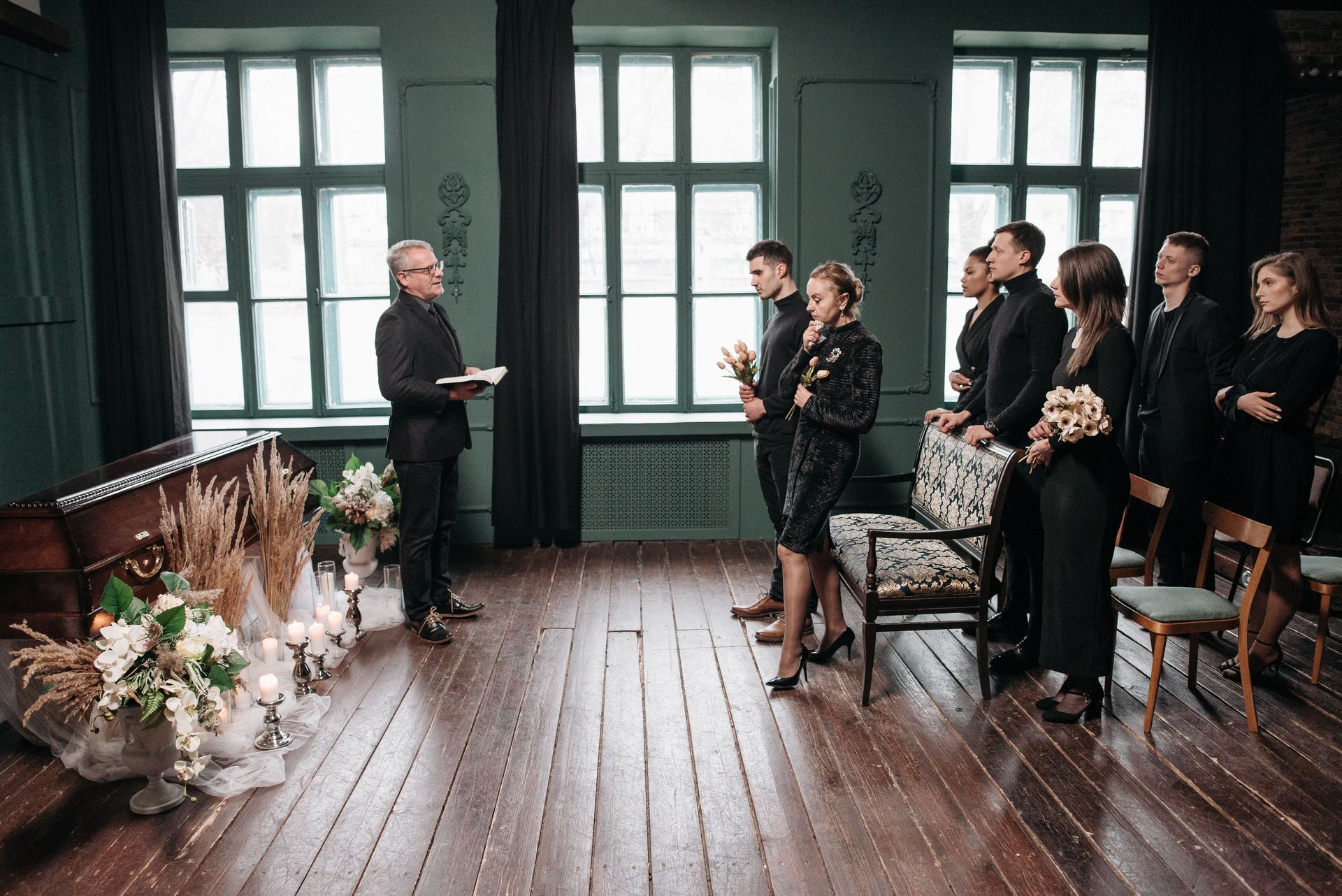
Not every family identifies with a religious tradition, and many today prefer services that focus on the life of the deceased without any religious framework. Non-religious funerals, sometimes called secular services or celebrations of life, allow families to create completely personalized farewells that reflect the values, passions, and personality of their loved one. These services often include readings from beloved books or poems, music that meant something to the deceased, video tributes, photo displays, and heartfelt eulogies from family and friends. A celebrant, who is a trained professional similar to an officiant but without religious affiliation, often leads these services. Non-religious funerals can be held in funeral homes, gardens, beaches, community centers, family homes, or any other meaningful location.
Humanist and Celebrant-Led Services
Humanist funerals focus on the philosophical belief that human life has inherent meaning and value, regardless of religious belief. These services celebrate the unique contributions of the individual and emphasize the lasting impact of their relationships, accomplishments, and character. Celebrant-led services are growing in popularity across New Jersey as more families seek personalized alternatives to traditional religious ceremonies. A skilled celebrant works closely with the family to learn about the deceased, then crafts a service that authentically reflects who they were. These services can include any combination of readings, music, storytelling, and ritual that the family finds meaningful, all without religious content.
Blended and Interfaith Services
Many families in New Jersey reflect the rich diversity of the region, with members from different faith backgrounds united through marriage, adoption, or close friendship. Blended and interfaith services accommodate this reality by weaving together elements from multiple traditions. A service might include both Christian and Jewish readings, Hindu and Catholic prayers, or secular and religious elements side by side. These services require thoughtful planning and often involve multiple clergy members or a celebrant working alongside religious leaders. The result is a deeply meaningful tribute that honors every aspect of the deceased's identity and the relationships that shaped their life.
Pre-Planning Across Faith Traditions
Regardless of religious or non-religious preferences, pre-planning offers significant benefits for families of every background. Documenting wishes in advance ensures that personal beliefs are respected and that loved ones are not left to make difficult decisions during grief. Exploring pre-planning options gives individuals the chance to outline every detail, from the choice of religious or secular elements to the music, readings, and specific traditions they want included. This thoughtful preparation is particularly valuable for those whose beliefs differ from other family members, as it removes uncertainty and prevents disagreements about how the service should unfold.
Honoring Every Belief With Respect
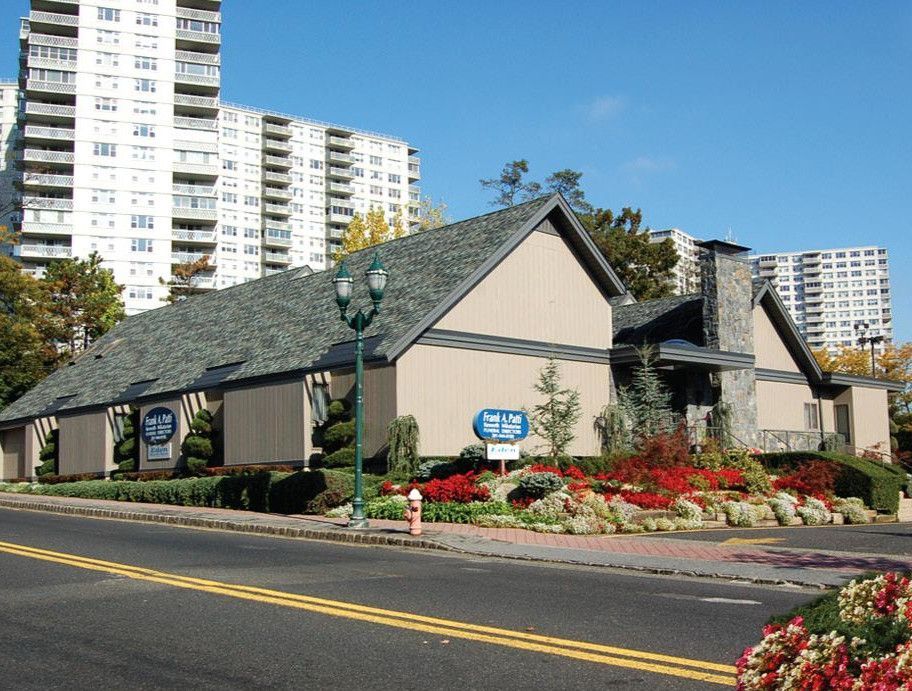
Every person deserves a farewell that authentically reflects their beliefs, values, and identity. Whether deeply religious, completely secular, or somewhere in between, the goal of a funeral remains the same, which is to honor a life with meaning, gather loved ones in support of one another, and create space for grief and remembrance. The team at Frank Patti & Kenneth Mikatarian Funeral Home has spent many years serving families of every faith and background throughout Bergen County, bringing experience, sensitivity, and genuine care to every service we provide. Whenever you would like to discuss the options that fit your family's beliefs and traditions, you are warmly welcome to connect with our compassionate team for a private and thoughtful conversation.