Cremation With a Service vs. Without One: What's the Difference?
Cremation has become an increasingly common choice for families across New Jersey and throughout the country.

As more people consider their end-of-life options, questions naturally arise about what cremation actually involves and how it can be combined with meaningful ceremonies. One of the most important distinctions families face is between cremation with a service and cremation without one. Both options are valid, dignified, and deeply personal, but they offer very different experiences for the family and the community gathered to remember their loved one. Understanding these differences helps families make decisions that align with their values, traditions, and emotional needs during one of life's most significant moments.
Understanding the Basics of Cremation
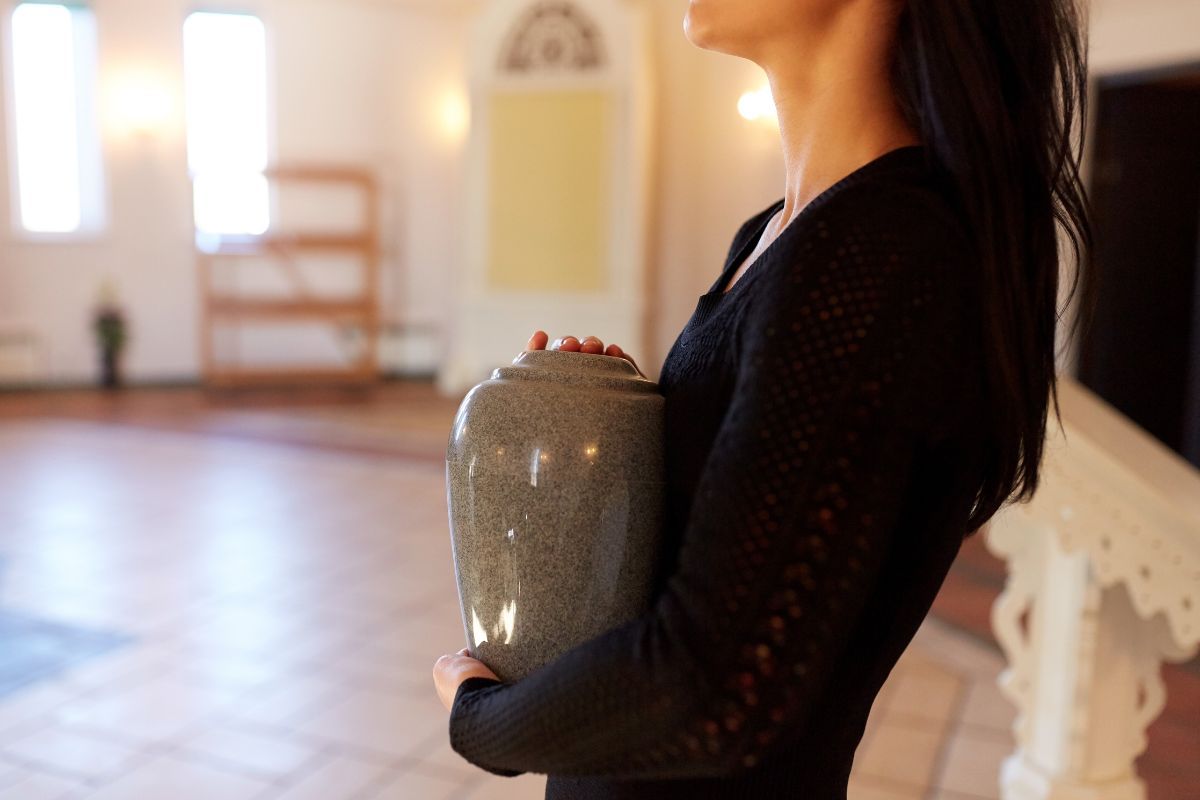
Before exploring the different ways cremation can be incorporated into a farewell, it helps to understand what the process actually involves. Cremation reduces the body to ashes through a carefully controlled process that takes place in a specialized facility. Once complete, the ashes, sometimes called cremains, are returned to the family in an urn or other container of their choosing. From there, families have remarkable flexibility in how they choose to honor their loved one.
The ashes can be buried, scattered in a meaningful location, kept in a memorial urn at home, or even incorporated into jewelry, artwork, or other keepsakes. Exploring cremation services with an experienced funeral home opens up a wide range of possibilities, allowing families to choose what feels right for their loved one's memory.
What Cremation With a Service Looks Like
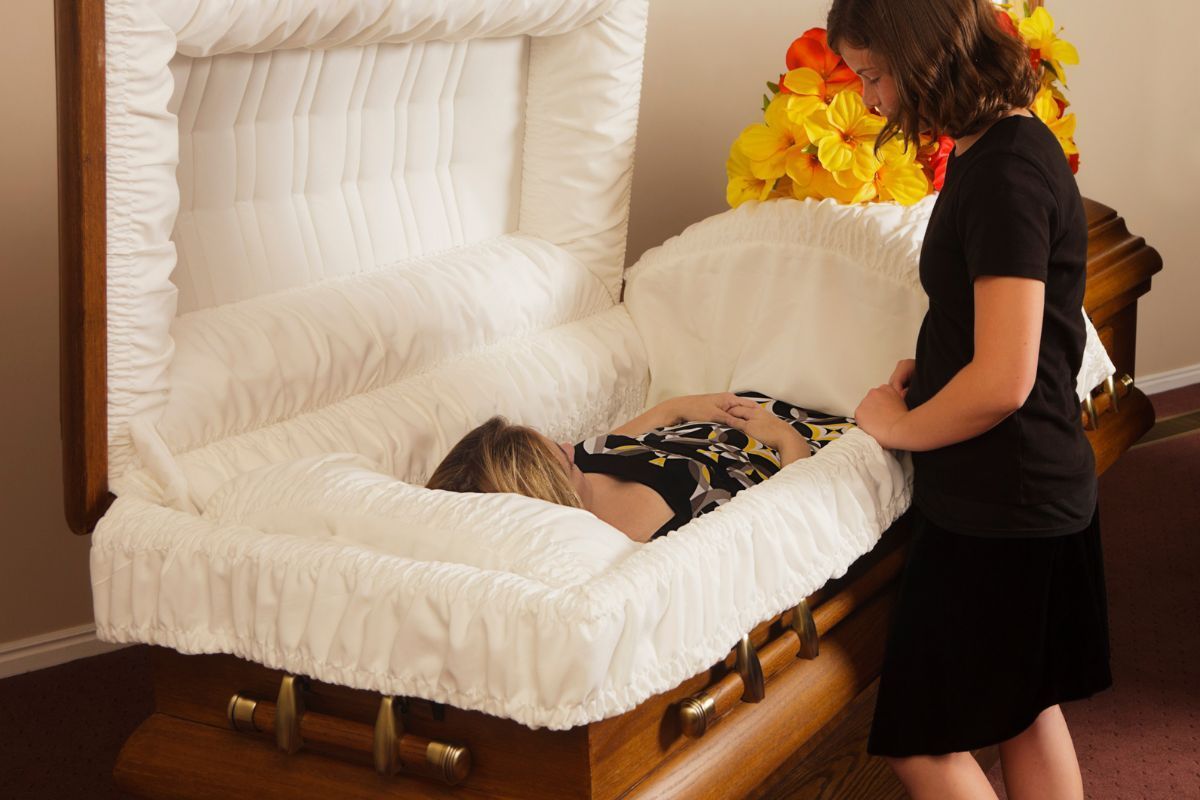
Cremation with a service involves combining the cremation process with one or more ceremonies that honor the life of the deceased. These ceremonies can take place before or after the cremation itself, depending on the family's wishes. A traditional approach involves holding a viewing or visitation first, allowing family and friends to gather, share memories, and say their goodbyes in person before the cremation takes place. Following the viewing, a formal funeral service may be held with readings, eulogies, music, and religious or cultural elements that reflect the deceased's beliefs and values.
After the service, the cremation is carried out, and the family receives the ashes to handle as they wish. Some families also choose to hold a memorial service after the cremation, which gives them more flexibility in scheduling and allows time for out-of-town relatives to travel. This approach blends the rituals of a traditional funeral with the practical and personal benefits of cremation.
What Cremation Without a Service Looks Like
Cremation without a service, often referred to as direct cremation, is the simplest form of this option. In this approach, the body is taken directly from the place of passing to the crematory without any preceding ceremony, viewing, or visitation. There is no formal gathering, no embalming, and no public farewell organized through the funeral home. The cremation takes place quietly, and the ashes are returned to the family within a few days.
From there, families may choose to hold their own private gathering, scatter the ashes, or simply keep them in a meaningful place. Direct cremation appeals to those who prefer simplicity, who want to minimize costs, or who plan to organize their own personal memorial separately from the cremation itself. It is often chosen by families whose loved ones expressed a preference for minimal fuss or by those navigating tight financial constraints.
Emotional Considerations for the Family
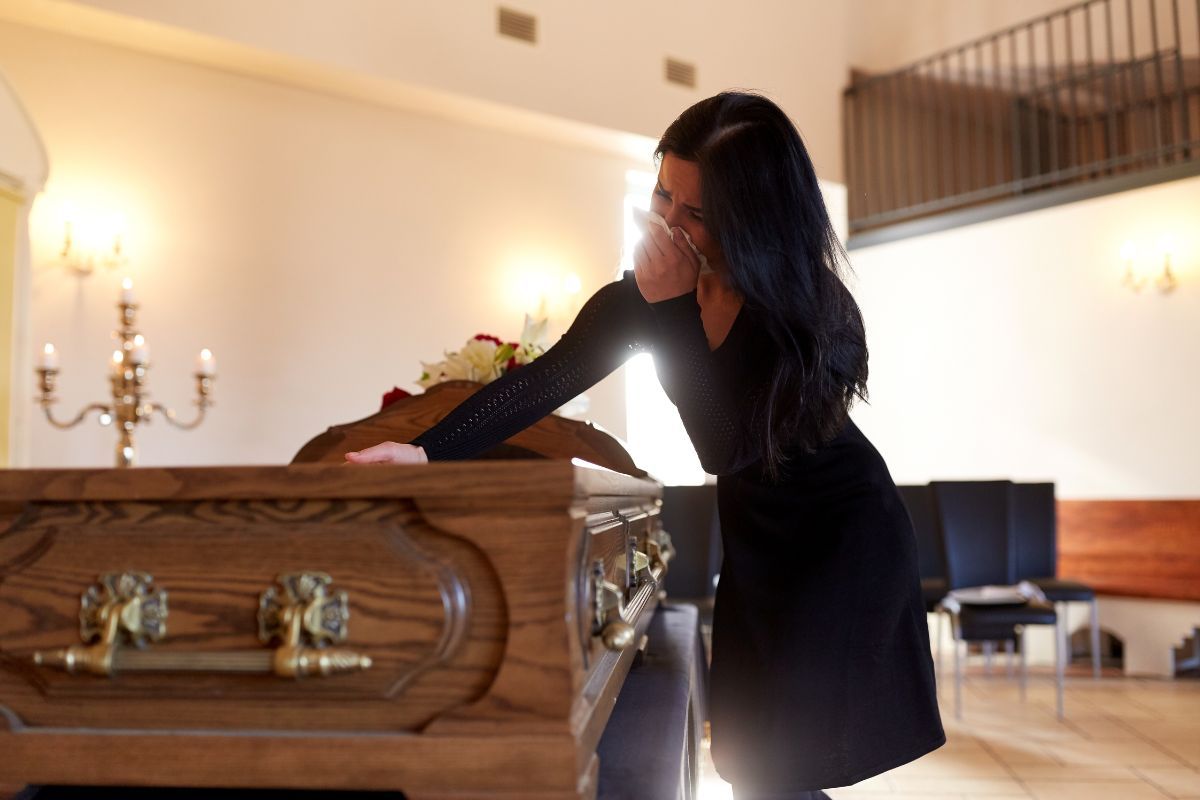
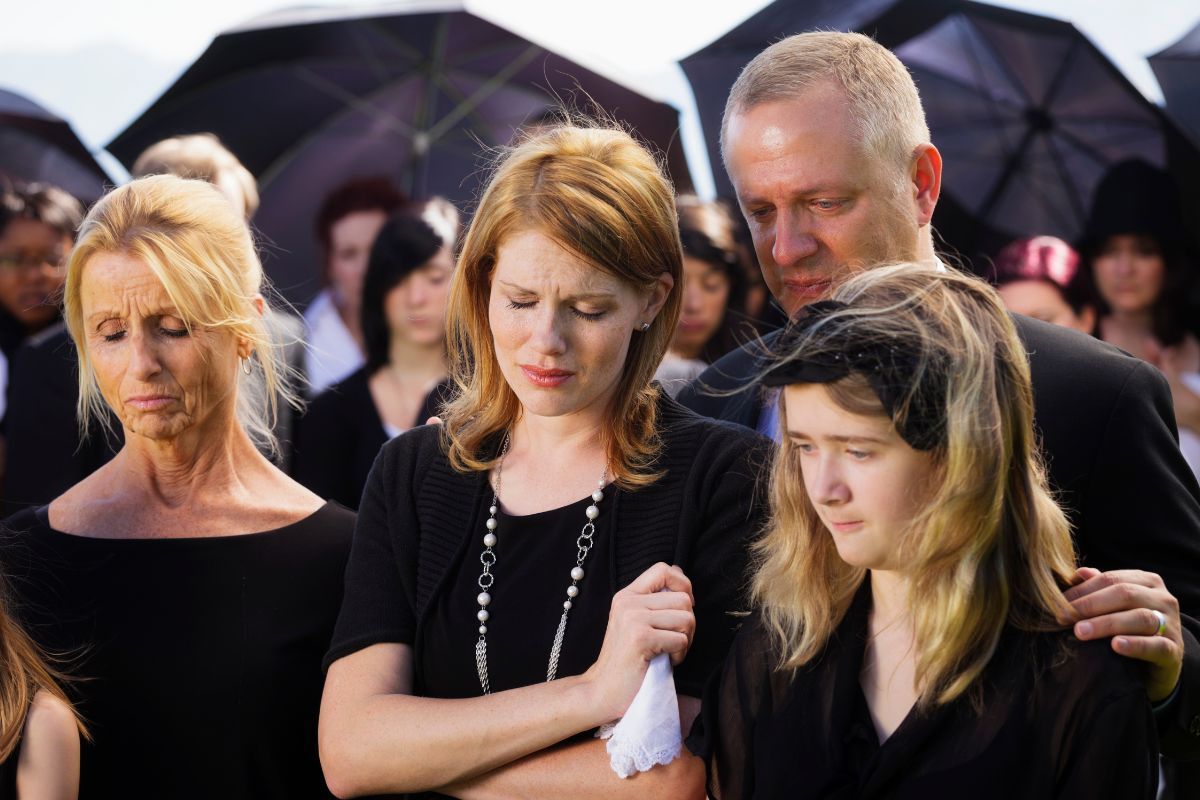
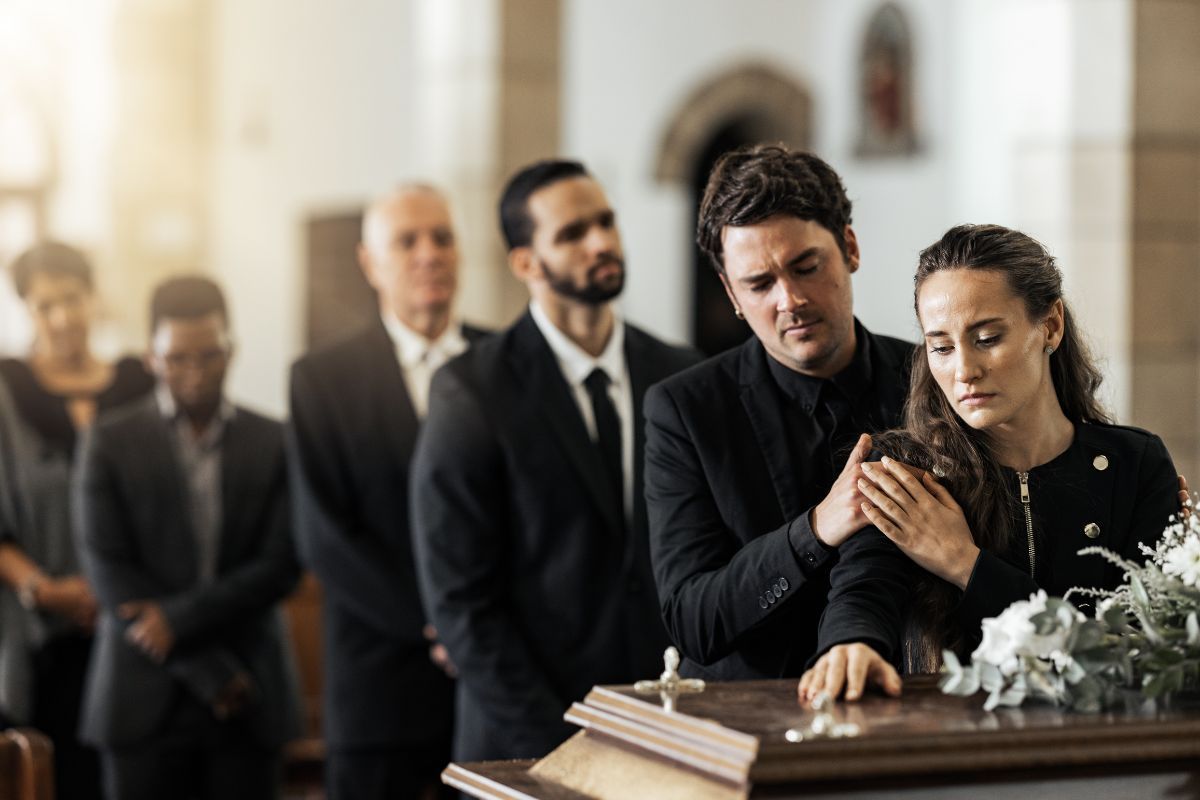
The emotional impact of these two approaches can be very different. A service with cremation provides families and communities a structured space to grieve together, share stories, and process the loss collectively. The presence of clergy, music, and shared ritual can be deeply comforting during the early days after a loss. Many people find that gathering with others who loved the deceased helps them feel less alone in their grief and gives them a chance to express their love and respect openly.
Direct cremation, by contrast, often shifts the grieving process to a more private setting. Families may hold smaller gatherings at home, organize informal celebrations of life weeks or months later, or simply mark the loss in their own quiet ways. Neither approach is better than the other, but families should consider what kind of emotional experience will best support them during their grief.
Cost Differences Between the Two Options
Financial considerations often play a significant role in this decision. A traditional service combined with cremation generally costs more than direct cremation because it includes additional elements such as preparation of the body for viewing, use of the funeral home's facilities, professional staff time, transportation, and any merchandise such as urns or memorial keepsakes. Direct cremation is typically the most affordable option because it eliminates many of these additional services.
That said, families should not feel that choosing one over the other reflects how much they loved their family member. The dignity of a farewell is not determined by its price tag, and meaningful tributes can be created at every budget level. Many families also find that selecting beautiful funeral merchandise such as a memorial urn or personalized keepsake brings comfort regardless of which option they choose.
Religious and Cultural Considerations
Faith traditions and cultural backgrounds often influence how families approach cremation. Some religions, including many Protestant Christian denominations, Catholicism, Hinduism, Buddhism, and Sikhism, accept or even encourage cremation, though specific guidelines vary between traditions. Catholic families, for example, are permitted to choose cremation but are encouraged to hold a funeral Mass and to bury or inurn the ashes in a sacred place. Hindu and Buddhist families often incorporate cremation as a central part of their religious practice, with specific rituals and ceremonies surrounding the process.
Other faiths, such as Orthodox Judaism and Islam, traditionally do not permit cremation. Understanding what your faith allows and what feels meaningful to your family is an important part of the decision-making process. Speaking with clergy or a knowledgeable funeral director can help clarify these considerations.
Personalization and Flexibility
One of the most appealing aspects of cremation, whether with or without a service, is the flexibility it offers for personalization. Memorial services can be held in churches, funeral homes, gardens, beaches, parks, family homes, or any other location that holds meaning. Ashes can be divided among family members so that each person has a tangible piece of their loved one to keep close. Some families create memorial benches, plant trees, or commission custom artwork incorporating ashes.
Others choose to scatter ashes in places that held special meaning, such as a favorite vacation spot or a family property. This level of personalization allows families to create farewells that truly reflect the personality and passions of the person they are honoring.
Making the Right Choice for Your Family
Choosing between cremation with a service and direct cremation comes down to what feels most right for your family. There is no universal answer, and the decision often depends on the wishes of the deceased, the needs of the surviving family members, religious or cultural considerations, and practical factors such as cost and timing. Some families feel strongly that a formal service is essential to their grieving process. Others feel equally strongly that a quiet, simple cremation followed by a personal gathering reflects their loved one's spirit more authentically.
Both choices honor a life and provide a meaningful way to say goodbye. Taking time to discuss these options with family members and with a compassionate funeral director can help bring clarity to the decision.
Compassionate Guidance Every Step of the Way
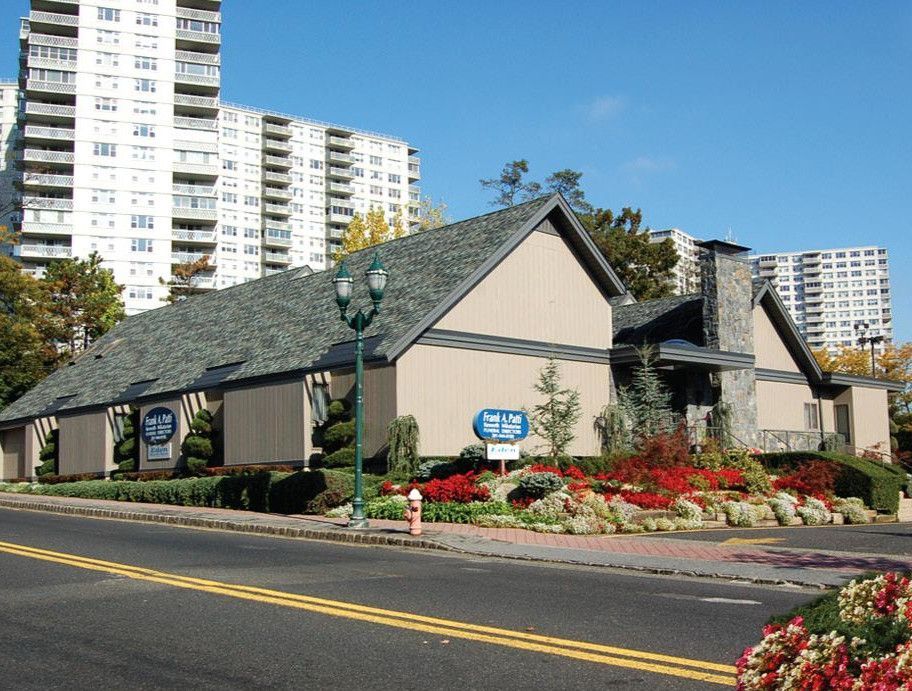
Every family deserves thoughtful guidance when navigating decisions about cremation and memorial services. The experienced team at Frank Patti & Kenneth Mikatarian Funeral Home is here to help you understand every option, explore what fits your family best, and create a farewell that truly honors your loved one.
Whether you are planning ahead or facing an immediate need, you are warmly welcome to speak with our compassionate team for a private and pressure-free conversation about the path that feels right for you and your family.