Understanding New Jersey Cremation Requirements
When a loved one passes away, families are often faced with many decisions in a short period of time.

For those considering cremation in New Jersey, understanding the legal requirements and procedures involved can help bring clarity during an already emotional time. While cremation has become increasingly common, it is still carefully regulated to ensure that the process is handled with dignity, transparency, and respect.
Knowing what to expect can ease uncertainty and allow families to focus on honoring their loved one in a meaningful way. Below is an overview of the key cremation requirements in New Jersey and how families typically navigate the process.
Why Cremation Is Regulated in New Jersey
Like many states, New Jersey has specific laws that govern cremation. These regulations exist to ensure that every step of the process—from documentation to authorization—is handled responsibly and respectfully.
Cremation laws help protect families by confirming the identity of the deceased, documenting consent, and ensuring that licensed professionals oversee the process. Funeral homes guide families through these requirements so that everything is completed properly and in accordance with state law.
For families unfamiliar with the process, professional guidance can make these steps much easier to manage during a difficult time.
Required Documentation Before Cremation
Before cremation can take place in New Jersey, certain legal documents must be completed and approved.
Death Certificate
The first requirement is the completion of a death certificate. A physician or medical examiner must confirm the cause of death before the certificate can be filed with the appropriate authorities.
This document serves as the official record of death and is required before any funeral arrangements—including cremation—can move forward.
Cremation Authorization
New Jersey law requires written authorization from the next of kin before cremation can occur. This authorization confirms that the family or legal representative has approved the cremation.
In cases where there are multiple next of kin, additional signatures may be required to ensure that all necessary parties have consented to the decision.
Medical Examiner Approval
Another important step is approval from the county medical examiner. Even when the cause of death is known and natural, a permit from the medical examiner is required before cremation can proceed.
This process ensures that any necessary medical or legal reviews are completed before the cremation takes place.
Waiting Period Requirements
New Jersey law typically requires a waiting period before cremation can occur. While the exact timing may vary depending on documentation and approvals, cremation generally does not happen immediately after death.
This waiting period allows time for:
- The death certificate is to be completed
- Authorization forms to be signed
- Medical examiner approval to be obtained
Funeral professionals manage these steps and coordinate the process so families do not have to navigate the paperwork on their own.
Families who are unsure what steps to take during the early stages of loss may find helpful guidance through resources explaining what to do when a death occurs.
Identification and Safeguards
Strict identification procedures are an important part of the cremation process. Funeral homes follow careful protocols to ensure that each individual is properly identified and tracked throughout the process.
These procedures may include identification tags, documentation checks, and verification steps before and after cremation. These safeguards are designed to ensure accuracy and maintain the dignity of the deceased at every stage.
Families often find reassurance in knowing that the process is carefully monitored and professionally managed.
Can Families Still Hold Services With Cremation?
Yes. Choosing cremation does not mean that families must give up traditional ceremonies or gatherings. Many families in New Jersey choose to hold visitation, memorial services, or religious ceremonies either before or after cremation.
Some families prefer a traditional service followed by cremation, while others hold a memorial gathering at a later date. The flexibility of cremation allows families to plan services that best reflect their traditions and emotional needs.
Learning more about available cremation services can help families explore options that allow both meaningful remembrance and thoughtful planning.
What Happens After the Cremation Process
Once cremation is complete, the cremated remains are returned to the family in a temporary container or urn. Families then decide how they would like to memorialize their loved one.
Common options include:
- Keeping the urn at home
- Placing the urn in a cemetery columbarium
- Burying the urn in a family plot
- Scattering ashes in a meaningful location where permitted
Each option offers families a different way to reflect on and remember their loved one.
Planning Ahead for Cremation
Many individuals today choose to plan cremation arrangements. Pre-planning allows people to outline their preferences and relieve their families of difficult decisions during a time of grief.
Advance planning can also provide peace of mind, knowing that wishes have been clearly documented. Families who explore funeral planning in advance often find that it helps simplify future arrangements and reduce uncertainty.
These conversations, while sometimes difficult, can be an important act of care for loved ones.
The Role of a Trusted Funeral Home
Understanding cremation laws and requirements can feel overwhelming for families who are already coping with loss. This is why many families rely on experienced professionals to guide them through the process.
A knowledgeable funeral home coordinates documentation, obtains permits, communicates with local authorities, and ensures that the cremation process is handled respectfully from beginning to end.
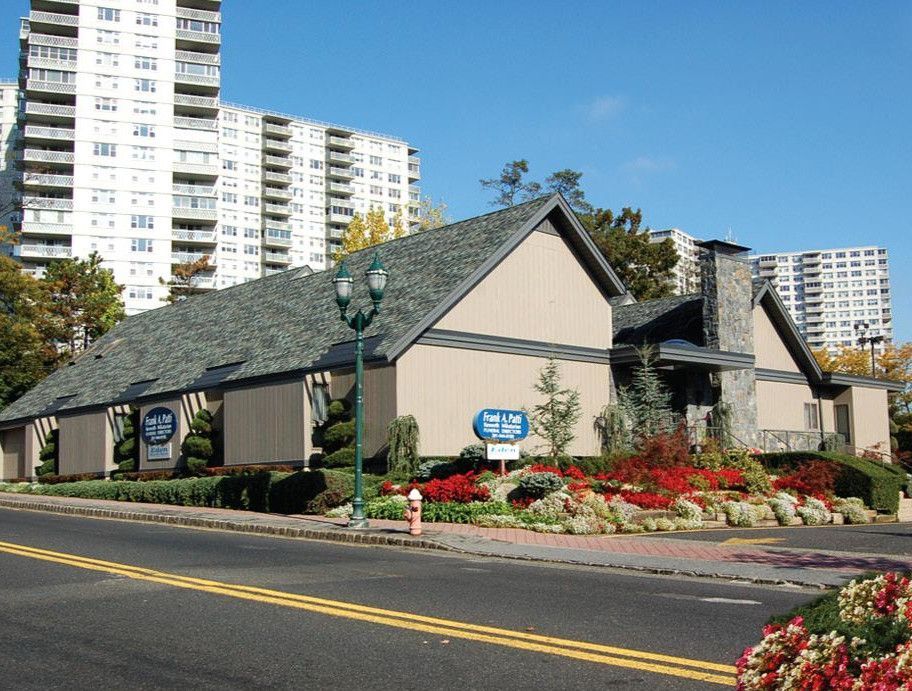
Families in Fort Lee and surrounding New Jersey communities often turn to a trusted and experienced provider for support during these moments. Learning more about the services and compassionate approach offered by Frank Patti & Kenneth Mikatarian Funeral Home can help families feel confident that their loved one will be cared for with dignity.
When questions arise or families need assistance navigating cremation requirements, they are encouraged to contact the funeral home to receive thoughtful guidance tailored to their situation.
Helping Families Make Informed Decisions
Understanding New Jersey’s cremation requirements can make the planning process less stressful for families facing loss. While legal steps and documentation are necessary, compassionate guidance ensures that these procedures are handled smoothly and respectfully.
With clear information, supportive professionals, and thoughtful planning, families can focus on what matters most—honoring the life of their loved one and beginning the journey of healing together.