Funeral vs. Memorial Service: How Families Decide
When a loved one passes away, families are often faced with many decisions in a short period of time.

One of the most common questions is whether to hold a funeral service or a memorial service. While these terms are sometimes used interchangeably, they are not the same. Understanding the differences can help families in Fort Lee choose an option that feels meaningful, appropriate, and supportive during a difficult time.
There is no universal “right” choice. Every family brings its own traditions, beliefs, and emotional needs into the planning process. The goal is not to follow a strict formula, but to create a gathering that honors the life of the person who has passed and provides comfort to those who are grieving.
What Is a Funeral Service?
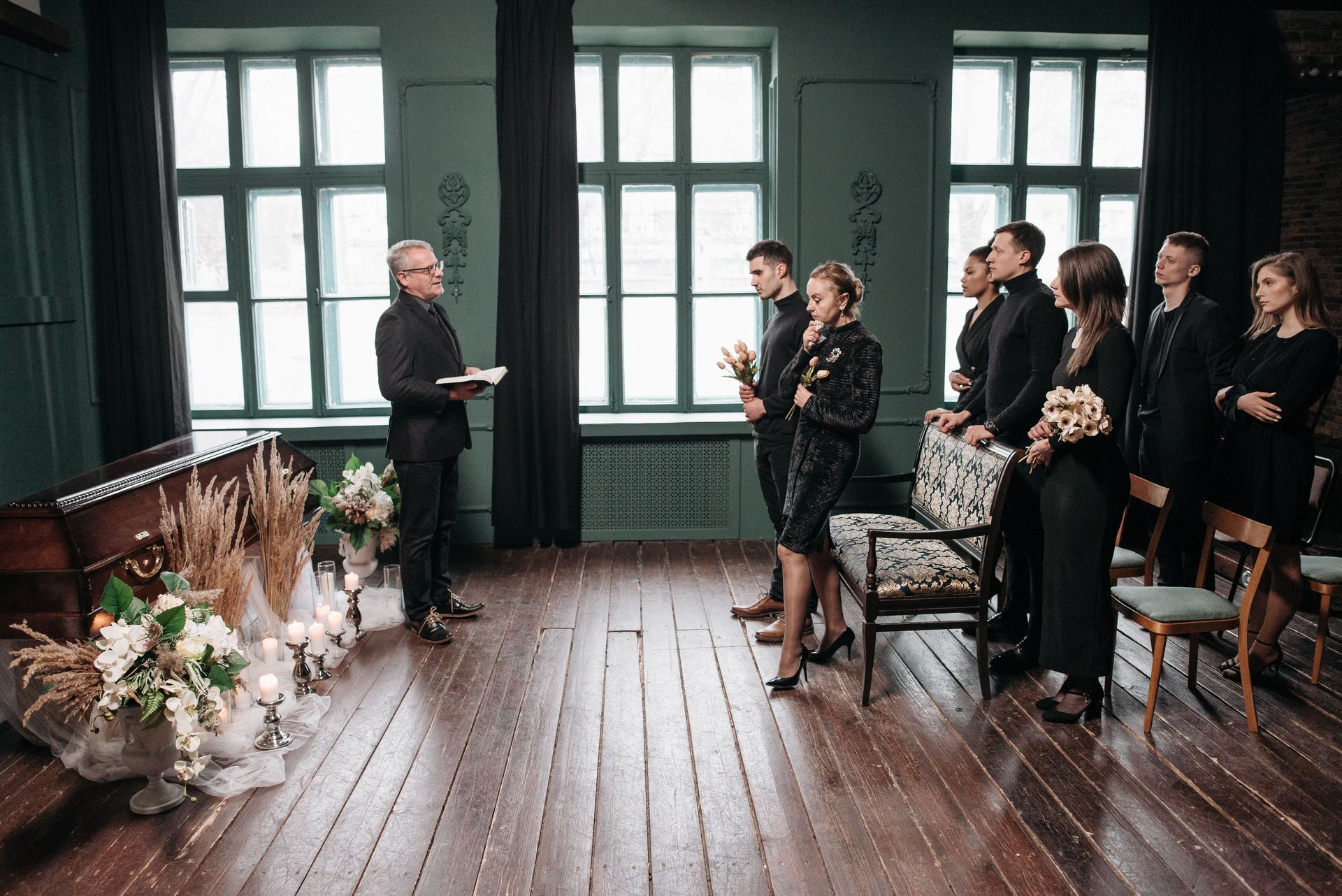
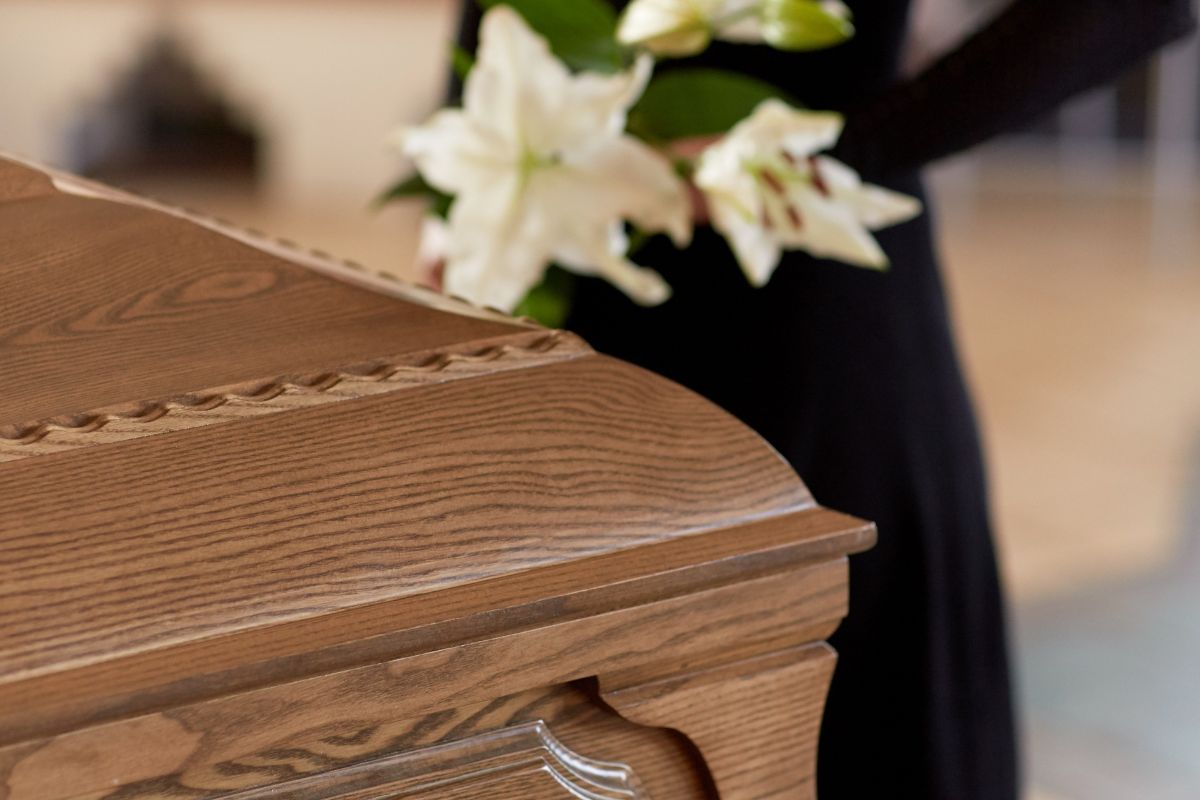
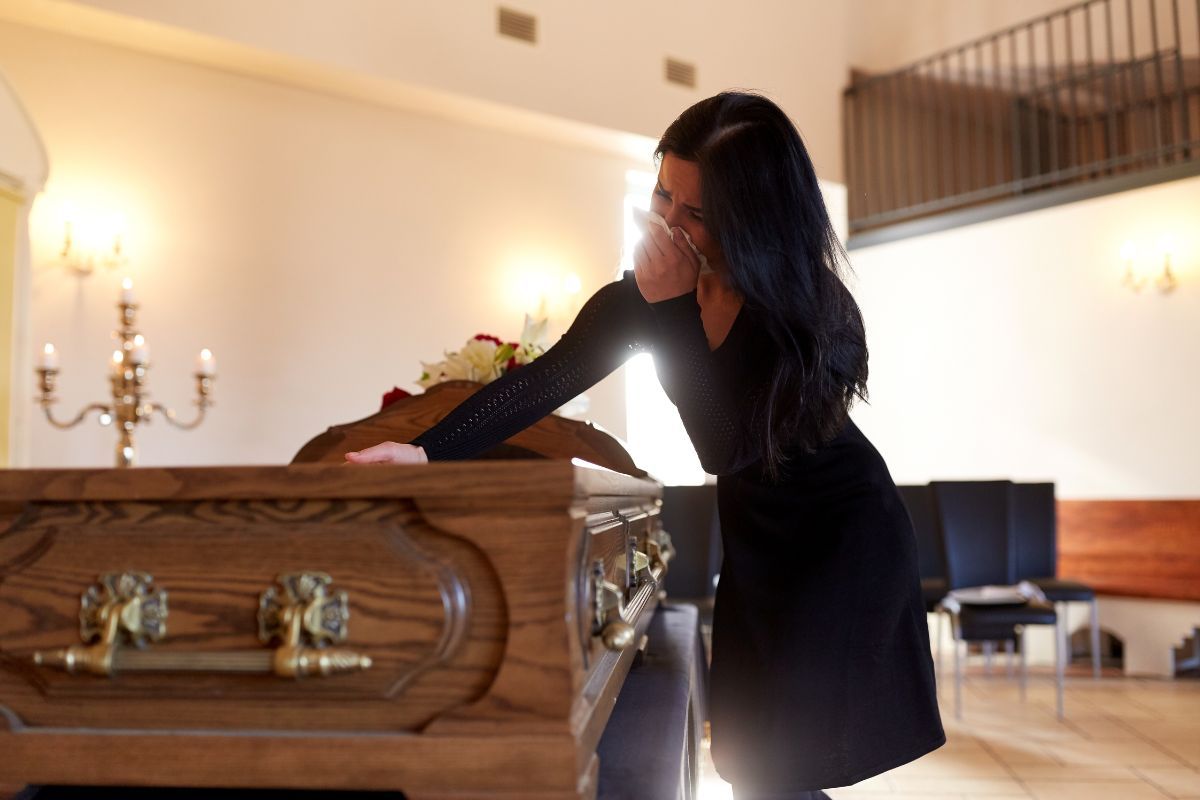
A funeral service typically takes place shortly after a death and is often held with the casket present. It may occur in a funeral home, a place of worship, or at the graveside. For many families, the presence of the body provides a tangible opportunity to say goodbye and acknowledge the reality of the loss.
Funerals often follow a more traditional structure. They may include prayers, readings, music, eulogies, and sometimes a procession to the cemetery for burial. For families who value longstanding customs or religious rituals, a funeral service can provide a sense of continuity and stability during an otherwise uncertain time.
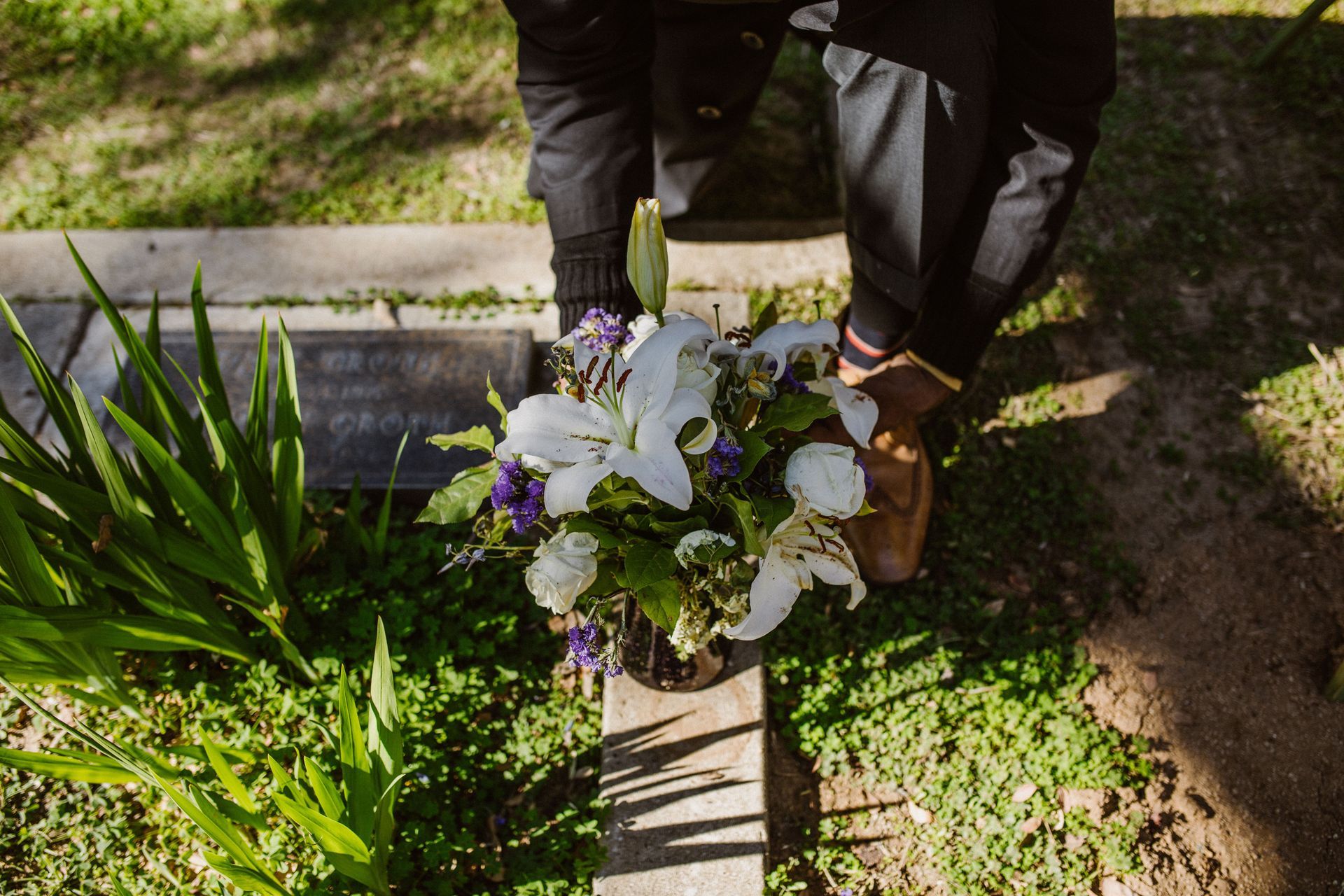
When burial is chosen, the service is often coordinated alongside professional guidance in arranging burial options that reflect the family’s wishes. Information about available burial services can help families understand how the ceremony and interment come together as part of a unified tribute.
What Is a Memorial Service?
A memorial service, by contrast, typically takes place without the body present. It may occur days, weeks, or even months after the death. Because of this flexibility, memorial services often allow families more time to plan and consider how they want to celebrate their loved one’s life.
Memorial services can be traditional or informal. Some families choose a structured ceremony similar to a funeral, while others opt for a more personalized gathering that reflects hobbies, accomplishments, or personal passions. The setting may be a funeral home, a religious space, a community venue, or even a meaningful outdoor location.
Families who choose cremation frequently hold memorial services, as cremation allows for greater flexibility in timing. Cremation services can help families understand how memorial gatherings can be planned in a way that feels thoughtful and unhurried.
Factors That Influence the Decision
Timing and Emotional Readiness
One of the key differences between a funeral and a memorial service is timing. Funerals usually happen within days of the loss. This can provide a structured opportunity for immediate support, helping families feel surrounded by community during the earliest stages of grief.
However, some families feel overwhelmed by the idea of planning a large gathering so soon. A memorial service allows more time to process emotions and make decisions without feeling rushed.
There is no correct timeline for grief. Choosing the format that feels manageable can make a meaningful difference in how families experience the days following a loss.
Religious and Cultural Traditions
Religious beliefs and cultural customs often guide the decision between a funeral and a memorial service. Some faith traditions emphasize prompt burial and structured funeral rites. Others allow more flexibility in timing and format.
Fort Lee is home to a diverse community, and many families blend traditional elements with modern preferences. Respecting cultural expectations while incorporating personal touches can help create a service that feels both meaningful and authentic.
Personalization and Style
Memorial services often offer broader opportunities for personalization. Families may include video tributes, memory displays, or open-mic storytelling. That said, funeral services can also be deeply personal, incorporating music, readings, and eulogies that reflect the individual’s life.
Crafting meaningful tributes—whether spoken or written—is an important part of both types of services. Professional assistance with writing and publishing eulogies and obituaries can help families express their loved one’s story with care and clarity.
Combining Both Options
It is increasingly common for families to combine elements of both a funeral and a memorial service. For example, a family may hold a small, private funeral with burial shortly after death, followed by a larger memorial gathering at a later date. This approach allows immediate family members to grieve privately while still providing an opportunity for extended friends and community members to come together.
Flexibility is important. Services can be tailored to reflect family needs, schedules, and emotional readiness. What matters most is creating space for remembrance and support.
Planning Ahead to Reduce Uncertainty
Many families find that discussing preferences in advance makes these decisions easier. When individuals communicate whether they prefer a traditional funeral, a memorial service, or a combination of both, loved ones are spared the uncertainty of guessing during a time of grief.
Exploring options through planning ahead for funeral arrangements allows individuals to outline their wishes and relieve some of the emotional burden from their families. Advance planning can also provide peace of mind, knowing that important details have been thoughtfully considered.
Support Beyond the Service
Whether a family chooses a funeral or a memorial service, grief does not end when the ceremony concludes. Ongoing support is an important part of healing. Access to compassionate professionals and community resources can help families navigate the weeks and months that follow.
Working with an experienced and caring team can make the planning process feel less overwhelming. Families in Fort Lee often seek guidance from a respected and professional funeral home that understands both tradition and personalization. Learning more about the approach and services available through Frank Patti & Kenneth Mikatarian Funeral Home can provide reassurance during a challenging time.
Choosing What Feels Meaningful
Deciding between a funeral and a memorial service is ultimately about honoring a life in a way that feels right for the family. Some find comfort in the structure and immediacy of a traditional funeral. Others appreciate the flexibility and personalization of a memorial service. Many discover that a blended approach best reflects their needs.
There is no single formula for remembrance. What matters is creating a gathering—whether formal or informal, immediate or delayed—that reflects love, respect, and the unique story of the person being honored.
In moments of loss, thoughtful guidance and compassionate care can help families move forward with clarity and confidence. By understanding the differences between funerals and memorial services, Fort Lee families can make informed decisions that support both remembrance and healing.