How to Plan a Funeral, Step by Step
Planning a funeral in New Jersey generally follows a set order: notify the funeral home, gather key documents, choose burial or cremation, hold an arrangement conference to select the type of service, personalize the ceremony, and finalize the date. A licensed funeral home coordinates the death certificate, the burial or removal permit, and every detail in between, so no family has to navigate it alone.
If you are reading this because someone you love has just died, or because you know that day is coming and want to be ready, take a breath first. There is no single right way to do this, and no timer counting down that you have to beat. Frank Patti Funeral Directors has walked Fort Lee and Bergen County families through this process for years, and this guide will help you know what comes next.
The First Hours: What to Do When a Death Occurs
The first call you make matters most. If the death happens at a hospital or under hospice care, staff there will usually help you contact a funeral home directly. If it happens at home without hospice involved, you may need to call 911 or the local police first, and they will help arrange transport.
Once a funeral home is notified, their team takes over the details that feel impossible to think about in the moment: transportation, initial paperwork, and a clear next step. Frank Patti Funeral Directors answers calls 24 hours a day, 7 days a week, so you are never waiting until morning to get help. Read more about when death occurs and what to expect in those first hours.
Documents and Information You Will Need
A New Jersey death certificate must be completed before burial, cremation, or other final arrangements can move forward. A physician or medical examiner confirms the cause of death, and the funeral home files the certificate and secures the burial or removal permit required for transport and disposition.
To help complete these forms, your funeral director will ask for information such as:
- Full legal name, date of birth, and Social Security number
- Names of parents and place of birth
- Marital status and names of survivors
- Employment and education history
- Veteran discharge papers, if applicable
Do not worry if you cannot find everything right away. If a document is missing, your funeral director will help you track it down or work around it.
Choosing Between Burial and Cremation
This decision often comes early, and it shapes several choices that follow. Frank Patti Funeral Directors arranges and coordinates burial, entombment, and cremation with area cemeteries and crematories on your behalf, including cremation with a funeral service, cremation with a graveside service, and direct cremation.
There is no wrong answer here. Some families choose burial because of faith tradition or a family plot already in place. Others choose cremation for flexibility in timing or location of a service. Either path can include a full ceremony, a graveside service, or a simpler gathering.
The Arrangement Conference Explained
The arrangement conference is where the practical decisions come together. You will meet with a licensed funeral director, in person or by phone, to talk through the type of service, the setting, any merchandise you would like, and the timeline for everything from visitation to burial or cremation.
Under the FTC's Funeral Rule, every funeral home must give you a written price list before you select goods or services, and you have the right to choose only what you want. We keep this conversation focused on funeral costs and your options, never on pressure, so you can make each decision at your own pace.
Personalizing the Service
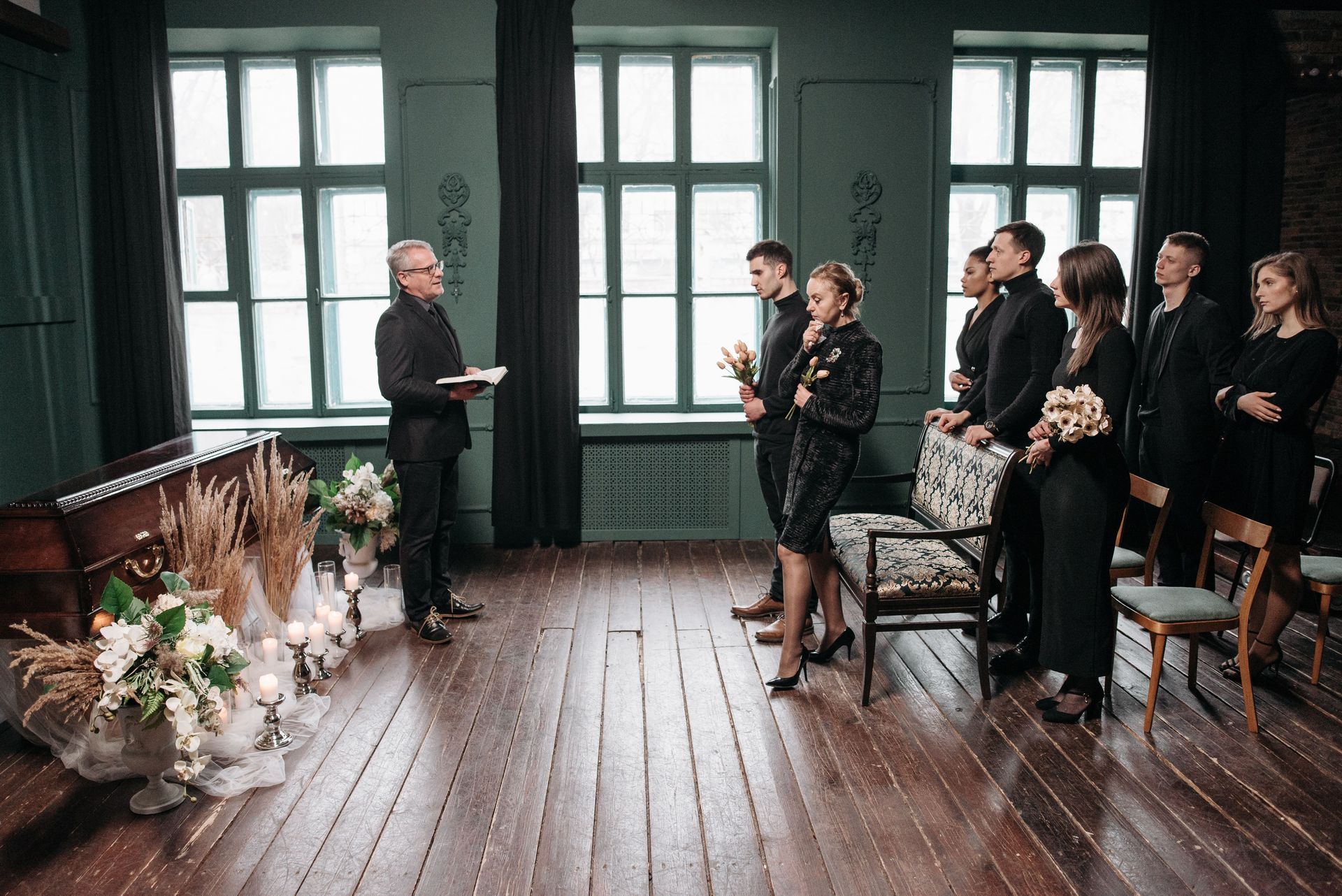
A funeral or celebration of life can look as unique as the person it honors. Families we've served have built services around a favorite song, a military flag folding ceremony, a multicultural or interfaith blessing, or a slideshow of photos spanning a whole lifetime.
Some of the most meaningful touches are simple: a memorial portrait, a printed program with a favorite verse, or a guestbook where guests share a memory. If you are still weeks or months from needing any of this, our free planning guide can help you start thinking through what would feel right.
Choosing the Type of Service
Not every family wants the same shape of ceremony, and that is exactly the point. Options generally include a traditional funeral with visitation, a memorial service without the body present, a graveside-only service, or an immediate burial or direct cremation with no ceremony at all.
Families who want to lock in decisions ahead of time, without the pressure of an active loss, often look into pre-funded funeral plans. Pre-planning does not have to mean paying for anything, but it does mean fewer decisions falling on your family later.
How Frank Patti Funeral Directors Walks Families Through Each Step
Frank Patti Funeral Directors has earned the National Funeral Directors Association's Best of the Best award and holds membership in the New Jersey State Funeral Directors Association, and families describe its personal, steady guidance across more than a hundred reviews. Frank Patti, our Senior Director, is licensed in New Jersey and personally involved in caring for the families we serve.
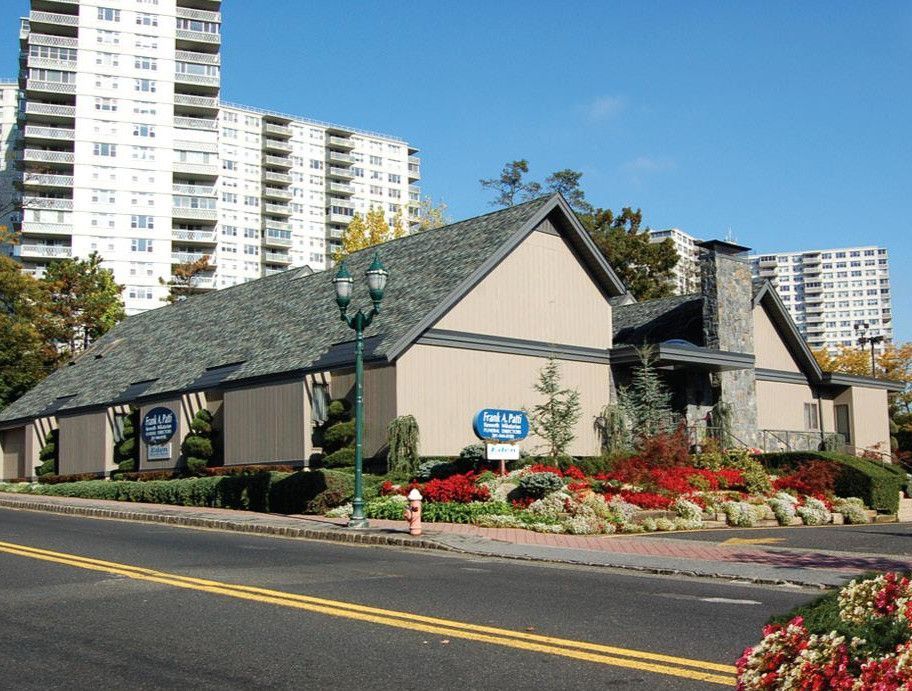
Our facility in Fort Lee is fully handicapped-accessible, one of the first of its kind in the area, with parking on site so mobility is never a barrier to attending a service. Whether your family needs a traditional funeral, a civil celebrant ceremony, or a multicultural or interfaith service, we coordinate every detail so you can focus on each other. Learn more about our services.
Serving Fort Lee and Bergen County Families
Families across Fort Lee and the surrounding Bergen County towns turn to us at every stage, from the first phone call to the service itself. If your family lives in or near Ridgefield Park, our team offers the same personal guidance close to home through our Ridgefield Park funeral services page, with the same 24-hour availability described above.
Frequently Asked Questions About Planning a Funeral in New Jersey
Families ask many of the same questions when they start planning a funeral. Here are clear answers to each one.
What is the very first thing I should do when a death occurs?
If the death happened at home without hospice involved, call 911 first. Otherwise, call your funeral home, day or night. Once the funeral home is notified, they will guide you through transportation and every step that follows, so you do not have to figure it out alone.
How long do I have to plan a funeral in New Jersey?
New Jersey does not set a number of days within which a funeral must be held, but a body that will not be buried or cremated within 48 hours must be embalmed or refrigerated, and a burial or removal permit must be obtained before burial or cremation can occur. Most families hold a service within a week of the death, though scheduling can flex around travel, clergy, or cemetery availability.
What documents do I need to bring to the arrangement conference?
Bring a government-issued ID for the next of kin, basic biographical details for your loved one such as birth date, parents' names, and Social Security number, plus any pre-planning paperwork, veteran discharge papers, or cemetery deed if one exists. If something is missing, your funeral director will help you track it down.
Who has the legal right to make funeral decisions in New Jersey?
New Jersey law gives the first right to make funeral decisions to a funeral representative named in the person's will, who does not need to be the executor of the estate. If no one was named, the right passes to the surviving spouse, civil union or domestic partner, then a majority of the surviving adult children, then the surviving parents, then a majority of the siblings, and then other next of kin.
Can I personalize a funeral or memorial service?
Yes. Personalization can include tribute videos, memorial portraits, favorite music, cultural or religious customs, military honors, or a civil celebrant ceremony that reflects a life rather than a single tradition. Families are encouraged to bring photos and stories to the arrangement conference so the service can genuinely reflect their loved one.
What is the difference between a funeral and a memorial service?
A funeral typically includes the body present, often with visitation beforehand, while a memorial service is held without the body present, sometimes after cremation or burial has already taken place. Both can include a full ceremony, personalization, and a gathering afterward. The right choice depends on family preference, not on cost or convenience.
Whenever you are ready to talk, we are here. There is no pressure and no obligation, just people who know how to help. Call Frank Patti Funeral Directors at (201) 944-0100, available 24 hours a day, 7 days a week, and we will guide you step by step from wherever you are right now.